
Why Continuous Skill Alignment is Crucial in a Fast-Changing Job Market
title: “Why Continuous Skill Alignment Matters in Today’s Fast-Changing Job Market”
author: “Jane Doe”
date: “2023-12-05”
Introduction
In today’s rapidly evolving job landscape, staying relevant is more crucial than ever. The concept of continuous skill alignment isn’t just a buzzword; it’s a necessary strategy for professionals aiming to thrive in their careers. Why is this alignment so vital, and how can you apply it to your career development effectively? Let’s dive in.
Understanding Continuous Skill Alignment
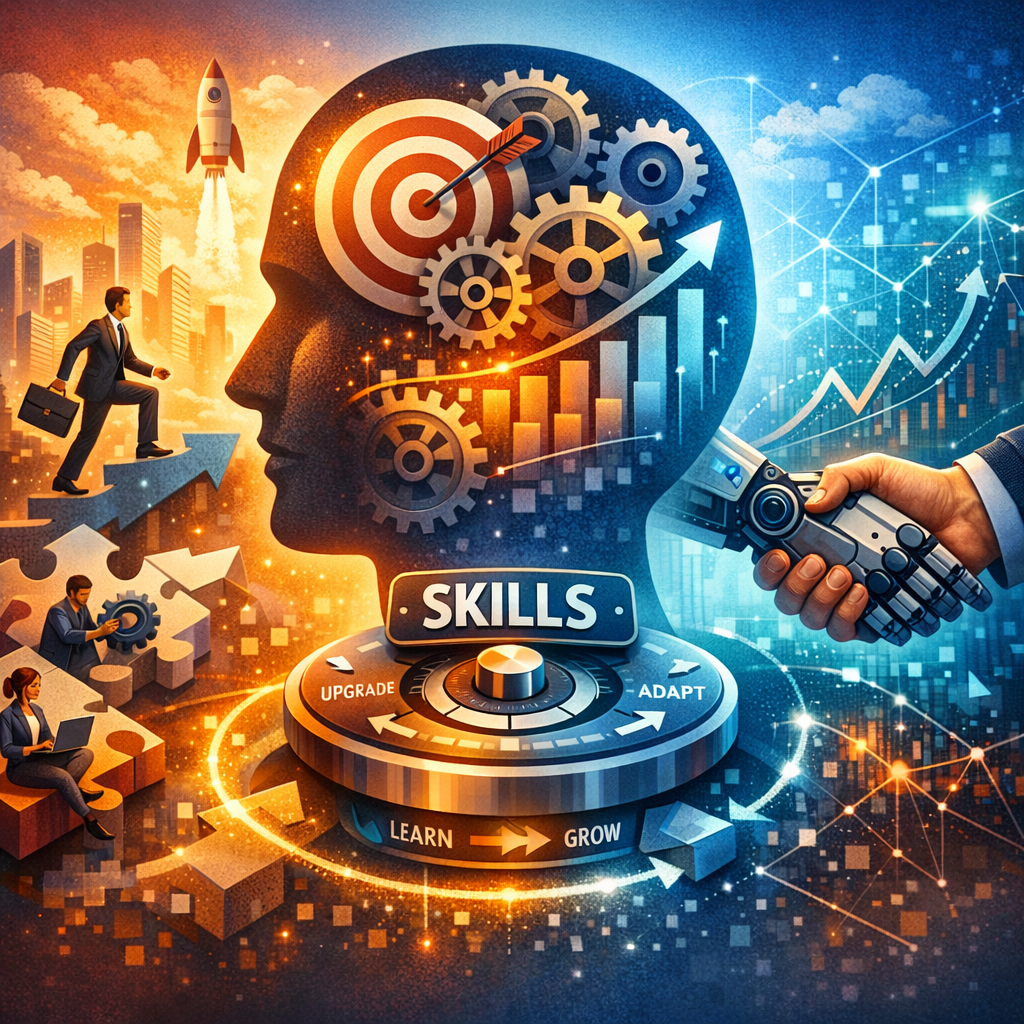
Continuous skill alignment is the ongoing process of evaluating and adjusting your skills to meet the current demands of the job market. This process ensures that the expertise you offer remains valuable and sought after by employers.
Why It Matters
- Pace of Technological Advancements: As technology evolves, so do job requirements. What was a cutting-edge skill yesterday might be commonplace today and obsolete tomorrow.
- Economic Shifts: Globalization and economic changes often shift the types of jobs available and the skills those jobs require.
- Career Longevity: Continuously aligning your skills with market needs helps ensure your continued relevance and employability in your field.
The Impact of Not Keeping Skills Updated
Failing to keep your skills aligned with current demands can lead to:

- Decreased job security
- Reduced career progression opportunities
- A widening skill gap, making it harder to transition to new roles or industries
Strategies for Continuous Skill Alignment
Adopting a mindset of continuous learning and skill development can seem daunting, but with the right strategies, it’s entirely feasible.
Stay Informed About Industry Trends
- Follow Industry Leaders and Influencers: Social media platforms and professional blogs are great resources.
- Participate in Industry Groups: Joining forums and attending conferences can provide insights into emerging trends and required skills.
Invest in Learning and Development
- Online Courses: Platforms like Coursera, Udemy, or LinkedIn Learning offer courses in various fields.
- Workshops and Seminars: These can provide deeper insight into specific topics and often offer hands-on experience.
Seek Feedback and Mentoring
- Regular Feedback: Regular performance reviews with your employer can provide critical insights into areas for improvement.
- Mentoring: A mentor in your industry can offer guidance and advice on skills to develop or refine.
Apply Learned Skills Practically
- Projects: Apply new skills to projects in your current role or through freelance opportunities.
- Volunteering: This can be especially beneficial in areas where practical experience is crucial for skill development.
Examples of Skills Frequently Needing Alignment
Certain skills frequently require updates to remain relevant. These include:
- Technical Skills: Especially in IT and engineering, where new programming languages and technologies emerge regularly.
- Digital Literacy: As all sectors are digitizing, understanding digital tools and platforms is becoming crucial.
- Soft Skills: Such as adaptability, problem-solving, and communication, which are increasingly valued in all job markets.
Conclusion
Continuous skill alignment is not just about survival in the job market; it’s about thriving. By staying proactive in developing the skills that matter and applying them effectively, you can secure a robust career trajectory. Remember, the only constant in life is change, and your ability to adapt through continuous learning and skill improvement will set you apart in any professional setting.
Call to Action
Start today by identifying one skill you believe needs development based on your career goals and industry demands. Plan your first step towards enhancement, be it through an online course, a new project, or by seeking a mentor. The path to alignment in a fast-changing job market begins with a commitment to continuous growth and adaptation.