
AI Literacy Is Becoming a Top In-Demand Capability Across Industries
How AI Literacy Is Becoming the Most In-Demand Capability Across Industries
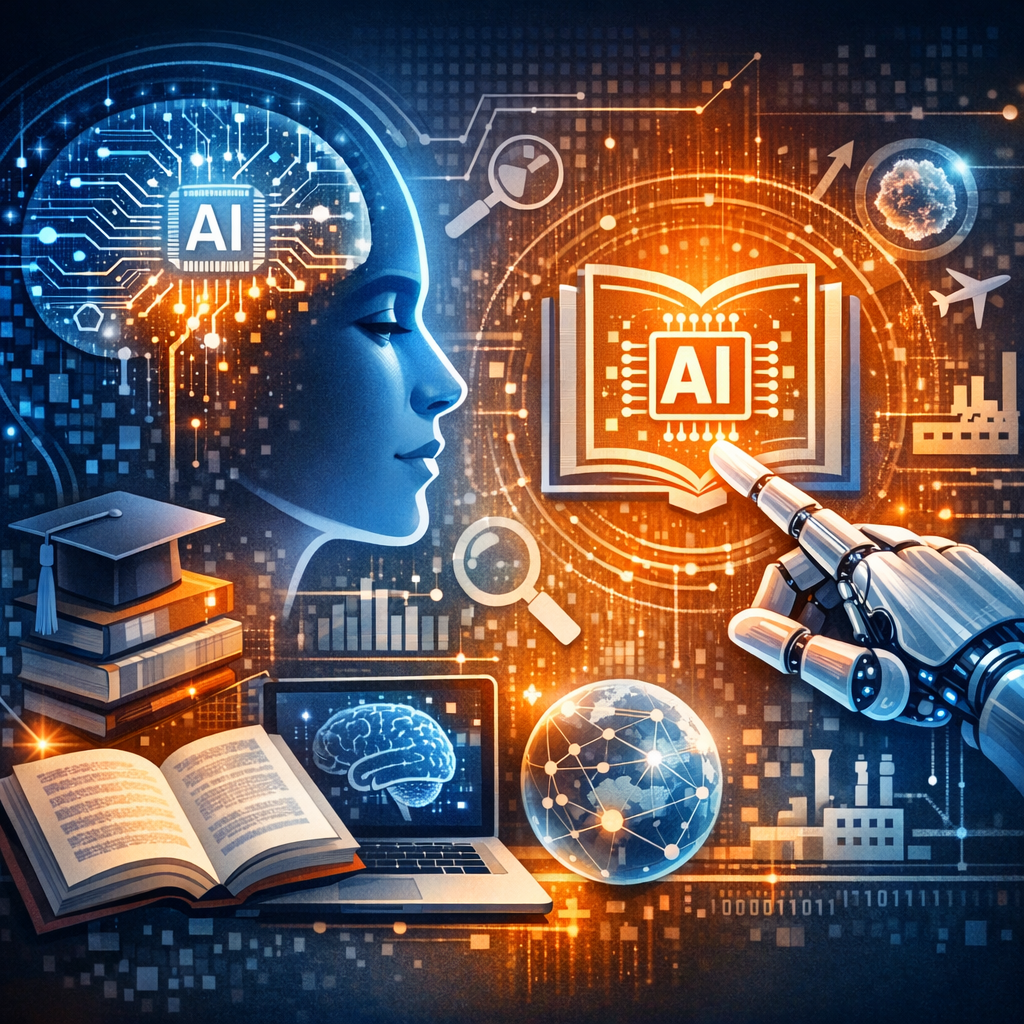
Artificial intelligence has moved from experimental technology to an everyday workplace tool. Teams use AI to summarize documents, analyze data, generate ideas, support customers, and automate routine tasks. As adoption spreads, organizations need more than a handful of technical specialists. They need employees who understand how to work with AI effectively and responsibly.
That capability is known as AI literacy. It does not require everyone to build machine-learning models or write complex code. Instead, it means knowing what AI can do, where it can fail, and how to use it thoughtfully in a particular role.
What AI Literacy Means at Work
AI literacy combines practical knowledge, critical thinking, and sound judgment. An AI-literate employee can identify tasks where AI may be useful, provide clear instructions, and evaluate the results rather than accepting them automatically.

It also includes an understanding of limitations. AI systems can produce inaccurate information, reflect bias in their data, or expose sensitive information if used carelessly. Knowing when to verify an answer—or avoid using AI altogether—is just as important as knowing how to generate one.
This makes AI literacy relevant across job levels. A marketer may use AI to draft campaign concepts, while a finance professional might use it to organize information for analysis. A teacher could explore lesson ideas, and a customer service representative might use AI-generated summaries to prepare for a conversation.
Why Demand Is Growing Across Industries
AI is changing everyday workflows
Many businesses are adding AI features to software employees already use. This means AI is no longer limited to specialist teams or dedicated innovation projects. It is becoming part of how people write, research, plan, and communicate.
When employees understand these tools, they can use them to save time and improve their work. Without that understanding, they may overlook useful applications or rely on outputs that have not been checked.
Employers need people who can bridge technology and business
Organizations often have access to powerful AI systems but struggle to apply them to real problems. Employees with AI literacy can connect a tool’s capabilities to the needs of a department, customer, or project.
That bridge matters in fields as different as healthcare, manufacturing, education, retail, and law. The specific tools may vary, but the underlying skills—asking useful questions, judging results, protecting data, and recognizing risks—are broadly transferable.
Responsible use is now a business concern
AI can raise questions about privacy, fairness, transparency, and accountability. A poorly handled system may produce discriminatory outcomes, reveal confidential data, or create work that cannot be trusted.
Employees do not need to become policy experts to contribute to responsible use. They do need to understand their organization’s rules, recognize potential problems, and know when to involve a manager or specialist.
The Core Skills Behind AI Literacy
AI literacy is best treated as a set of practical workplace skills, not a single technical qualification. Key capabilities include:
- Understanding basic concepts: Knowing what generative AI and other common systems can—and cannot—do.
- Giving clear instructions: Providing relevant context and specific goals to get more useful results.
- Evaluating outputs: Checking facts, reasoning, tone, and completeness before using AI-generated material.
- Protecting information: Avoiding the entry of confidential, personal, or restricted data into unapproved tools.
- Recognizing bias and risk: Considering who may be affected by an AI-assisted decision or recommendation.
- Applying human judgment: Taking responsibility for the final work rather than treating AI output as automatically correct.
These skills improve with practice. Employees can start with low-risk tasks, compare AI suggestions with trusted sources, and share lessons about what works in their roles.
How Organizations Can Build AI Literacy
Training is more effective when it is connected to real work. A general introduction can establish shared terminology, but teams also need examples tied to their daily responsibilities. A sales team, for instance, may need guidance on customer data and draft communications, while a research team may focus on source checking and analysis.
Organizations can support learning by:
- Setting clear guidelines for approved tools and sensitive information.
- Offering role-specific training and hands-on practice.
- Encouraging employees to question and verify AI-generated results.
- Creating channels for sharing successful use cases and reporting concerns.
- Updating training as tools, regulations, and workplace policies change.
Leaders also play an important role. When managers model careful, transparent AI use, employees are more likely to treat the technology as a tool that supports their expertise—not a replacement for it.
A Lasting Career Advantage
AI literacy is becoming a valuable capability because it helps people adapt as work changes. It can make employees more effective, help organizations introduce AI with fewer risks, and enable teams to focus human attention where it matters most.
The goal is not to use AI in every task. It is to understand when it can help, how to use it well, and where human judgment must lead. Across industries, that combination is quickly becoming an essential part of modern work.