
HR Teams Embrace AI-Driven Analytics for Skill Development
Why HR Teams Are Adopting AI‑Driven Analytics for Skill Progression and Job Readiness
In an era marked by rapid technological advancements and shifting global job markets, HR teams are increasingly turning to AI-driven analytics to streamline and enhance various HR functions. Among these, skill progression and job readiness are two critical areas significantly impacted by AI technologies. Here, we will explore why more companies are integrating these tools into their human resources processes.
Understanding AI-Driven Analytics
AI-driven analytics refers to the systematic computational analysis of data or statistics, enabled by artificial intelligence. These analytics can process large volumes of complex data sets quickly and with a high level of accuracy, offering insights that might not be noticeable without this technology.
Key Features of AI in HR
- Predictive Analytics: Allows for forecasting future trends based on historical data.
- Natural Language Processing (NLP): Helps in analyzing text data from resumes, job descriptions, and communications.
- Machine Learning: Adapts over time to provide more accurate assessments based on new data.
Enhancing Skill Progression
Skill progression in the workplace is about more than just identifying needs; it’s about strategically cultivating workforce capabilities to meet future demands. AI analytics play a pivotal role in this by:

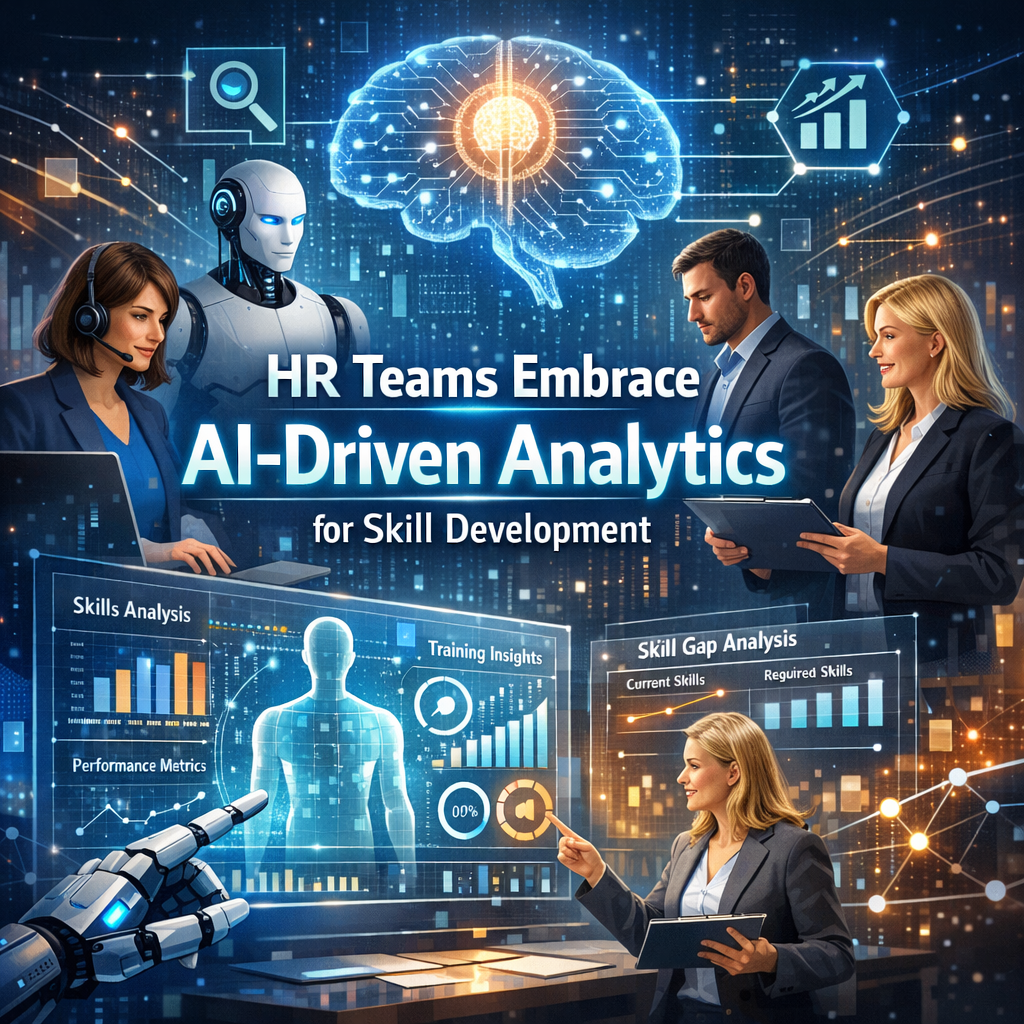
- Identifying Skill Gaps: By analyzing job performance and comparing it against industry standards, AI can pinpoint missing competencies.
- Personalized Learning Recommendations: AI systems can suggest tailored training programs for each employee, helping them to advance at their own pace.
- Tracking Development Progress: Continuous monitoring of development activities ensures that employees are on the right track, and helps HR teams adjust programs as necessary.
Case Study: Tech Company X
A tech company implemented AI-driven tools to suggest courses and certifications to their employees based on their work projects and performance reviews. Over a year, they saw a 25% increase in employee productivity and a 40% reduction in skills gaps within their teams.
Streamlining Job Readiness
Job readiness not only pertains to new hires but also to employees transitioning to different roles within the organization. AI-driven analytics assist in:
- Resume Screening: AI tools can quickly analyze thousands of resumes to identify candidates who match specific job criteria closely, saving countless hours.
- Competency Assessments: Through AI, firms can automate initial testing phases to gauge technical or soft skills, ensuring candidates are assessed consistently.
- Predicting Candidate Success: By analyzing past employment data and performance outcomes, AI can predict a candidate’s job performance, helping HR teams make better recruitment decisions.
Success Story: Company Y
Company Y used AI-driven analytics to refine their hiring processes, which reduced their time-to-hire by 30% and increased new hire retention by 22%.
Overcoming Challenges
While AI-driven analytics offers numerous benefits, HR teams must also address certain challenges:
- Data Privacy Concerns: Ensuring that employee and candidate data is handled securely to maintain privacy.
- Dependence on Data Quality: AI systems are only as good as the data fed into them; inaccurate or biased data can lead to ineffective or unfair outcomes.
- Human Oversight: It is crucial that decisions suggested by AI are still reviewed by human professionals to provide a necessary layer of understanding and empathy that AI may lack.
The Future of HR and AI Integration
As we look to the future, the integration of AI into HR practices looks not only inevitable but also essential. The ability of AI to analyze big data and provide actionable insights can transform how businesses approach talent management. This technology will continue to evolve, and so will its applications, making the role of HR more strategic and data-driven.
In conclusion, adopting AI-driven analytics for skill progression and job readiness offers a host of benefits, including enhanced decision-making, personalized employee development, and more efficient hiring processes. As organizations continue to face new workforce challenges, those that integrate these technologies will likely be better equipped to adapt and thrive.