
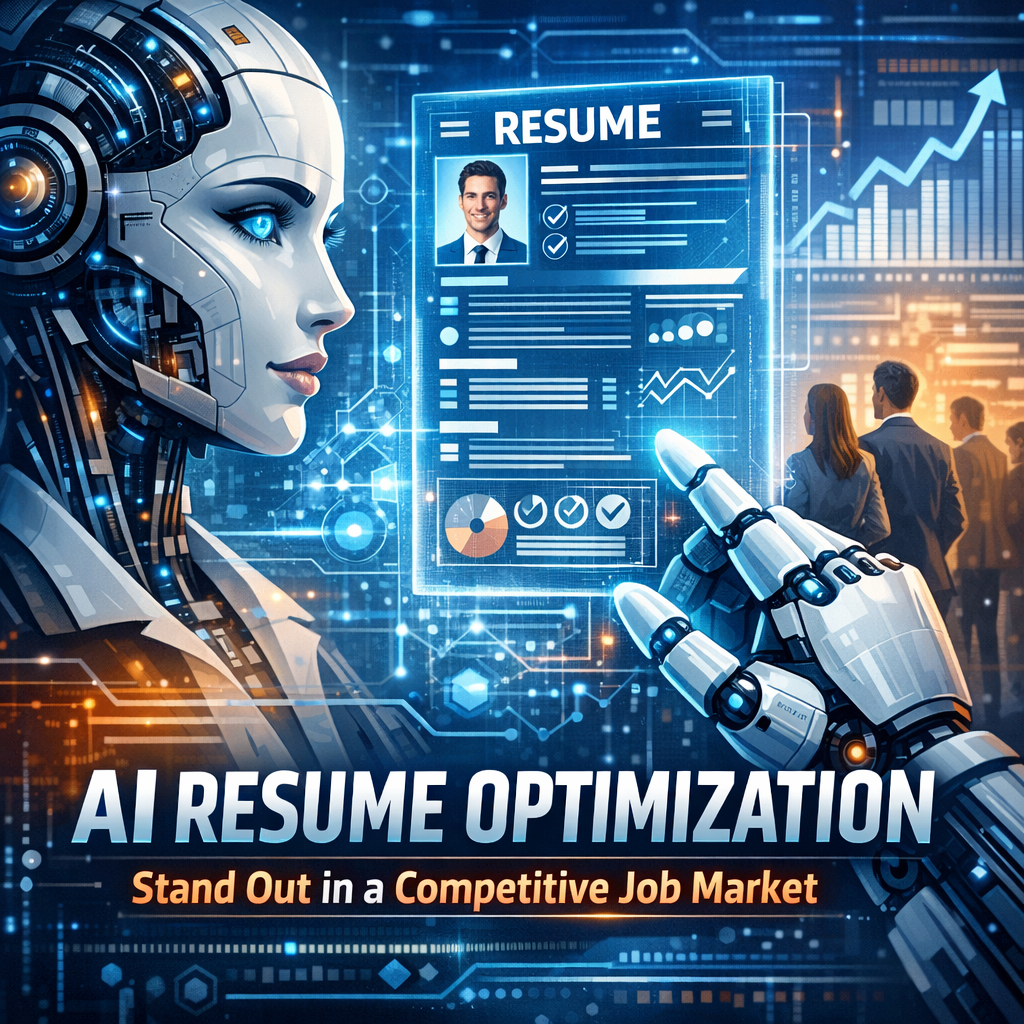
AI Resume Optimization: Stand Out in a Competitive Job Market
Resume Optimization With AI: How to Stand Out in a Competitive Market
In today’s highly competitive job market, standing out from the crowd is more crucial than ever. With recruiters and employers often inundated with applications, making a memorable first impression can hinge significantly on the quality of your resume. Fortunately, advancements in technology, particularly in artificial intelligence (AI), are revolutionizing how job seekers craft the perfect resume. This post dives into how AI can enhance resume optimization and why it’s a game-changer in job hunting.
Understanding the Role of AI in Resume Building
AI in resume building is not about replacing the job seeker but empowering them to present their qualifications, skills, and experiences in the most effective way possible. AI tools analyze vast amounts of data, including job descriptions and applicant information, to give tailored advice on structure, content, and even word choice.
Custom Tailoring Your Resume
AI platforms can scan job listings and identify key skills and phrases employers prioritize. From this analysis, these tools can suggest what to emphasize on your resume or how to tailor your resumes for different job applications, increasing the likelihood that your document bypasses the automated resume screening systems many companies use.

Enhancing Resume Layout and Design
Some AI tools focus on the aesthetics of your resume. They suggest layouts that are both pleasing to the human eye and compatible with Applicant Tracking Systems (ATS), which are used by employers to manage hiring processes.
Key Features of AI-Enhanced Resume Optimization
To fully leverage AI in enhancing your resume, it’s important to understand the features these technologies offer. Here are some elements that standout AI resume builders may include:
- Keyword Optimization: Ensures your resume contains relevant keywords that match the job posting, which is essential for passing ATS filters.
- Relevancy Scoring: Provides feedback on how well your resume matches the job description, allowing iterative enhancements until optimal alignment is achieved.
- Formatting Suggestions: Offers layout and design recommendations that improve readability and ATS compatibility.
- Role-Based Suggestions: Delivers content suggestions based on your career field and the specific roles you are applying for.
Examples of AI Tools for Resume Optimization
- Jobscan: Compares your resume against job descriptions to highlight which keywords and skills are missing.
- Resume Worded: Provides targeted feedback on your resume based on roles and industry specifics.
- Zety: Uses AI to make suggestions on improving content and layout to boost the effectiveness of your resume.
Implementing AI Recommendations
When using AI for resume optimization, here’s how you can implement the recommendations effectively:
- Incorporate AI-Suggested Keywords: Blend these seamlessly into your resume to maintain a natural flow while ensuring ATS compatibility.
- Customize for Each Job Application: Use AI insights to adapt your resume for different roles, emphasizing the skills and experiences most relevant to each position.
- Iterate Based on Feedback: Use the scoring systems provided by AI tools to tweak your resume continually until it aligns closely with the job description.
The Human Touch is Still Key
Despite the efficiency and precision of AI tools, the human element in resume creation cannot be entirely replaced. Here are some tips on ensuring your resume retains a personal touch:
- Tell Your Unique Story: AI can suggest the best skills and keywords to include, but your unique experiences and personal anecdotes will truly make your resume stand out.
- Review and Personalize AI Suggestions: Always review AI-generated suggestions to ensure they accurately represent your professional narrative and are relevant to your field.
- Seek Professional or Peer Feedback: Besides AI feedback, getting input from mentors or peers can provide insights that AI might miss, particularly regarding your resume’s overall coherence and career narrative.
Conclusion
Leveraging AI for resume optimization offers a significant advantage in the modern job search landscape. By combining AI-driven insights with your unique professional experiences and attributes, you can create a compelling resume that stands out in a competitive market. Remember, while AI can guide and enhance, the final touch and personalized story are what will capture the human interest behind the technology.