
Understanding Talent Graphs: The Future of Skill-Based Hiring
What Is a Talent Graph? How Unified Skill Profiles Are Changing Hiring Forever
The hiring landscape is undergoing significant transformation, thanks in part to advancements like the Talent Graph. This innovative concept is reshaping how companies identify, evaluate, and onboard talents, thereby revolutionizing the recruitment process. As businesses strive to find the right match for their diverse needs, understanding the Talent Graph and its implications for future hiring practices is essential.
Understanding the Talent Graph
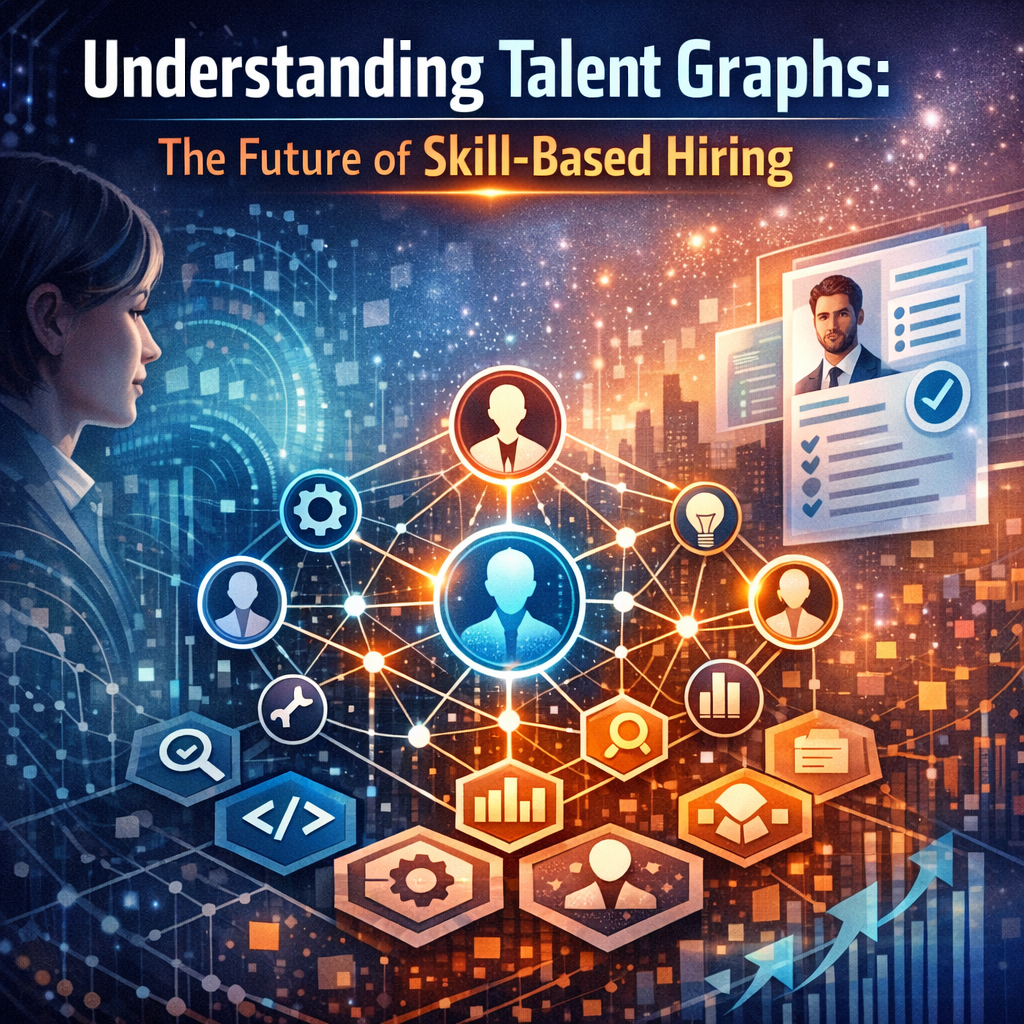
A Talent Graph, essentially, is a dynamic, comprehensive framework that maps out the skills, experiences, and professional attributes of potential job candidates. This graph not only represents individual skills but also how these skills connect across a network of candidates, illustrating potential synergies and gaps within a workforce.
Key Features of a Talent Graph
- Skill Mapping: At its core, the Talent Graph uses algorithms to analyze and map individual skills and experiences.
- Dynamic Learning: It updates in real-time as individuals acquire new skills and experiences.
- Interconnectivity: Shows relationships between different skills and how they correlate within various industries and positions.
The Rise of Unified Skill Profiles
Integrating closely with the Talent Graph is the concept of Unified Skill Profiles. These profiles are robust, digital representations of a candidate’s entire skill set and professional history.

Components of Unified Skill Profiles
- Comprehensive Data: Includes formal education, informal learning, certifications, and work experience.
- Soft Skills Assessment: Evaluates communication, leadership, and teamwork capabilities.
- Digital Portfolio: Showcases work samples, testimonials, and other proofs of expertise.
These profiles provide a holistic view of a candidate, far beyond what traditional resumes can offer.
Impact on Hiring
The integration of Talent Graphs and Unified Skill Profiles is significantly enhancing the hiring process by offering a more nuanced understanding of candidate capabilities.
Benefits to Employers
- Better Match Making: Employers can more accurately match candidates to roles that fit their skill sets, reducing turnover and increasing job satisfaction.
- Efficient Hiring Process: Streamlines the recruitment process by providing clearer insights into the workforce’s abilities and needs.
- Strategic Workforce Development: Helps in planning future training and development initiatives by identifying skill gaps and trends.
Advantages for Job Seekers
- Fair Representation: Candidates are represented more comprehensively, highlighting their full range of abilities, including soft skills and informal learning.
- Increased Visibility: Enhanced profiles raise visibility to potential employers, even those in different fields or industries.
- Continuous Learning Recognition: Ongoing education and skill development are recognized and valued, fostering a culture of continuous professional growth.
Challenges and Considerations
While the benefits are significant, there are challenges to implementing Talent Graphs and Unified Skill Profiles:
- Data Privacy: Managing and protecting the vast amounts of personal data within these graphs is crucial.
- Bias Elimination: Ensuring the algorithms are free from biases that could affect hiring decisions.
- Integration Complexity: Integrating these systems into existing HR technologies can be complex and costly.
The Future of Hiring
The advent of Talent Graphs and Unified Skill Profiles is setting the stage for a more data-driven, precise, and equitable hiring process. As technology continues to evolve, these tools will become more refined and integrated into the everyday fabric of recruiting and talent management.
What to Expect
- AI and Machine Learning Enhancements: These technologies will further refine the accuracy and effectiveness of Talent Graphs.
- Broader Adoption Across Industries: As success stories become more widespread, diverse sectors will adopt these tools.
- Continued Focus on Skills Development: With clear insights into skill demands, both individuals and companies will prioritize continuous learning and development.
In conclusion, Talent Graphs and Unified Skill Profiles are more than just technological advancements; they are transforming how we think about hiring and professional development. By providing a more complete picture of each candidate’s abilities and potential, these tools are not only changing the way companies hire but also how individuals manage their careers. This paradigm shift towards data-driven hiring is expected to yield substantial benefits for employers and job seekers alike, marking a new era in the recruitment process.